

Free Vinyl Record Appraisal — Scan a Record, See What It Sells For
Scan the cover or label of any LP or 45 and PriceSnap identifies the album and shows what copies sell for, in seconds. Then use the checklist below — matrix/runout number, first-pressing signs, rarity and grade — to confirm you have the version that price belongs to.
Snap a photo of your item
Your photo stays on your device — nothing is uploaded from this page.
Why it matters
The same album can be worth $2 or $2,000 depending on the pressing. Record shops buy at a fraction of resale, and paid appraisers charge per record — too much for a box from an estate sale. A quick scan plus the dead-wax check tells you which records deserve a closer look.
How to Appraise a Vinyl Record in 5 Steps
A record appraisal is really a version check followed by a condition check. Get the exact pressing right first, because every price you compare against belongs to one specific version.
- Scan the cover or label to identify artist, title, and likely release.
- Read the catalogue number on the label and spine.
- Read the matrix/runout code etched in the dead wax.
- Grade the record and the sleeve separately.
- Compare against sold listings for that exact pressing — not asking prices.
How to Read the Matrix / Runout Number
The runout (dead wax) is the smooth band between the last groove and the label. Tilt the record under a bright light and you will see etched or stamped codes. They are the most reliable way to tell an original from a reissue, because labels and jackets were often reused across pressings while the runout changed.
- Catalogue number plus side — confirms the release and side.
- Lacquer or stamper suffix (e.g. -1, A1, 1A) — lower usually means earlier in the run.
- Mastering engineer initials — some cuts carry a collector premium.
- Pressing plant marks or symbols — tell you where and roughly when it was pressed.
Is It a First Pressing?
First pressings carry the biggest premiums, but only when you can prove them. Check several signs together; one alone is rarely enough.
- Earliest lacquer/stamper codes in the runout.
- Label design and colour matching the original release year.
- No barcode on records released before barcodes were common.
- Jacket details — address, price code, or credits that changed on reissues.
- Country of manufacture matching the original release.
Vinyl Rarity Checker: What Makes a Record Rare
Age alone does not make a record valuable — most old pop and easy-listening records sell for very little. Rarity plus demand does.
- Short original runs: private presses, small labels, early pressings before an artist broke.
- Variants: promo copies (white label, "not for sale" stamps), test pressings, misprints, withdrawn covers.
- Region: some imports or original-country pressings sell for multiples of domestic copies.
- Genre demand: original jazz, soul, psych, punk and early rock pressings are consistently sought after.
- Condition: a rare record in poor grade can still sell for less than a common one in near mint.
When to Pay for a Professional Record Appraisal
A free scan is enough to sort a collection. Pay a specialist when one record looks valuable after the checks above, when you need a written appraisal for insurance or an estate, or when the variant is easy to fake (test pressings, signed copies).
See it in action
- Price Snap
 PhotoBarcodeGalleryFlip
1. Snap the item
Analyzing...
Your photo is being analyzed in detail..
- Identifying product...
- Researching price information...
- Collecting best new prices...
- Researching second-hand prices...
- Preparing results...
Powered by Price Snap AI
2. AI identifies and researches
Detected Product
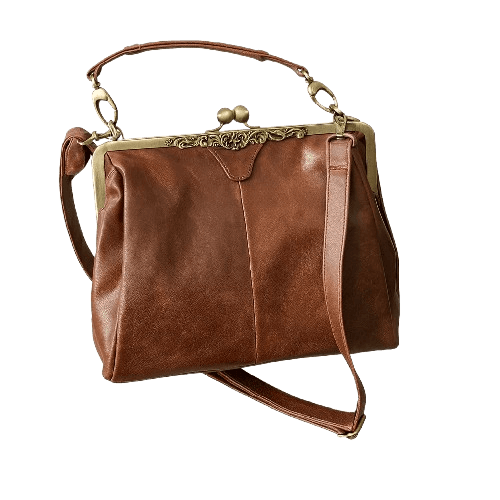
Vintage leather frame handbag
New Price Range
$95–$140
Used Price Range
$38–$62
ConfidenceHigh · 84%Data Sources: OpenAI · Web Search
Profit Calculator
Thrift Price
$12
Est. Resale
$50
Net Profit
+$31
Reseller Insights
Sell RateModerateAuthenticity RiskLowCondition GradeGoodSave to HistoryChat with AI3. Get new and used value
Illustrative example — prices shown are sample values, not a live estimate.
What you get
Scan Cover or Label
Identify the artist, album, and likely release from one photo.
Sold-Price Range
See what copies sell for, built from current marketplace listings.
Confidence Note
Know when the price depends on a pressing detail you should check.
Ask Follow-Ups
"Is a -1 runout an original?" — ask the AI chat about your copy.
Whole-Box Sorting
Scan a crate and save every record to history to review later.
9 Currencies
Prices in your local currency.
Works best on these collectibles
Pick a niche or jump straight in — PriceSnap recognises what you photograph.
FAQ
Product FAQ
Straight answers about accuracy, platforms, and how PriceSnap fits your workflow.
Is the vinyl record appraisal really free?
Yes. PriceSnap includes free daily scans. Premium unlocks unlimited scans for sorting large collections.
Is this a certified appraisal?
No. PriceSnap gives a market estimate from a photo and current listings. For insurance, estate, or legal purposes you need a written appraisal from a qualified specialist.
Where is the matrix number on a vinyl record?
In the runout (dead wax) — the smooth area between the last groove and the label. It is etched or stamped; tilt the record under a light to read it.
How do I know if my record is rare?
Check the pressing (runout codes, label design, country), look for variants like promos or misprints, and compare sold prices for that exact version. Demand matters as much as scarcity.
Are old records worth money?
Some are, most are not. Value comes from the specific pressing, demand for the artist and genre, and condition — not age alone.
Get Vinyl Record Appraisal inside PriceSnap
Free to start on iOS & Android.